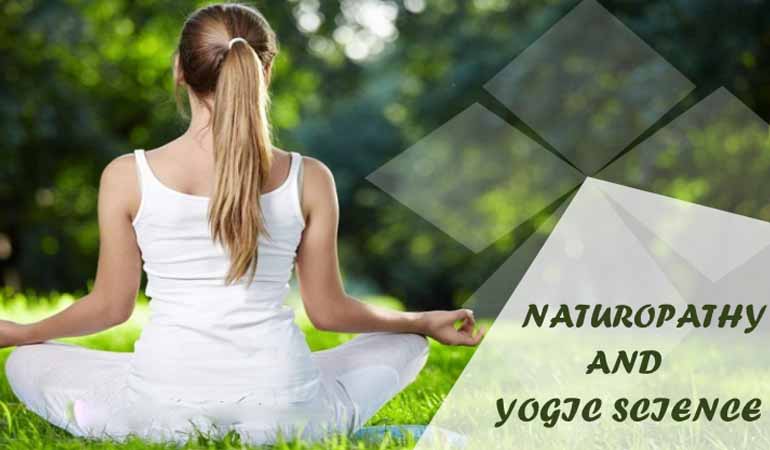
DNYS — Diploma in Naturopathy & Yogic Science Course Affiliated with Mangalayatan University, Aligarh
The Diploma in Naturopathy and Yogic Science (DNYS) is a unique and evolving course that bridges the gap between traditional healing systems and modern wellness approaches. It’s designed for students who believe in the power of natural healing, yoga, and lifestyle management as essential tools to achieve holistic health.
This programme, when affiliated with Mangalayatan University, Aligarh, ensures both academic credibility and scientific learning, combining ancient Indian wellness traditions with modern clinical education.
The DNYS course helps students understand the human body’s self-healing mechanism and teaches them how to use natural elements like air, water, sunlight, diet, and meditation to maintain optimal health.
Core Objectives of the Programme
The DNYS curriculum is structured around certain key objectives:
- To impart in-depth knowledge of Naturopathy principles and Yoga therapy techniques.
- To train students in drugless therapies that promote preventive and curative health care.
- To provide practical exposure in clinical naturopathy centers and yoga wellness programs.
- To prepare qualified naturopathy and yoga practitioners capable of guiding individuals toward healthier lifestyles.
- To develop professional ethics, compassion, and a holistic view of patient care.
Through these goals, the course ensures that graduates emerge as competent wellness professionals ready to contribute to both traditional and modern healthcare systems.
Course Duration and Structure
At Mangalayatan University, the DNYS course generally follows a 3-year academic duration, though some modules or institutions may extend it to include a 6-month internship or practical component.
Each academic year typically includes:
- Theory classes on naturopathy, anatomy, and yogic philosophy.
- Practical classes focusing on yoga postures, hydrotherapy, mud therapy, and diet therapy.
- Community wellness camps for experiential learning.
The course is divided into semesters or yearly exams, ensuring balanced theoretical and practical assessment.
In-depth Look at the DNYS Curriculum
The DNYS syllabus is comprehensive and multidisciplinary. Below is an expanded subject list to give you a clearer idea:
Year 1: Foundation in Science and Philosophy
- Human Anatomy & Physiology
- Introduction to Naturopathy & Yoga Philosophy
- Basic Biochemistry and Nutrition
- Introduction to Natural Dietetics
- Basics of Ayurveda and Herbal Medicine
- Practical: Yoga Asanas, Meditation Basics
Year 2: Therapeutic Applications
- Hydrotherapy and Mud Therapy Techniques
- Fasting and Detoxification Therapies
- Yogic Kriyas and Advanced Asanas
- Mental Health and Yoga Psychology
- Public Health & Community Medicine
- Practical: Clinical Yoga Practice and Case Studies
Year 3: Clinical Practice and Research
- Clinical Naturopathy & Yoga Therapy
- Research Methodology and Case Documentation
- Lifestyle Counselling and Preventive Medicine
- Entrepreneurship in Naturopathy
- Practical: Internship and Wellness Camps
By the end of the programme, students are expected to complete case studies, participate in health camps, and demonstrate proficiency in therapy planning.
Facilities Available at Mangalayatan University
Mangalayatan University offers a supportive academic and practical environment for DNYS students. The campus is equipped with:
- Yoga and Meditation Halls: Spacious halls with trained instructors.
- Naturopathy Therapy Units: Facilities for mud, hydro, and massage therapies.
- Botanical Gardens: Herbal plant collections for learning herbal medicine principles.
- Clinical Practice Centres: On-campus wellness centres for live patient exposure.
- E-learning and Digital Resources: Updated study material and online modules.
These facilities help students gain both theoretical understanding and hands-on expertise.
Teaching Methodology
Mangalayatan University’s DNYS programme uses a blended learning model—a combination of classroom lectures, live demonstrations, workshops, and internships.
Key Teaching Components:
- Case-based Learning: Understanding real patient problems and planning therapy.
- Therapeutic Demonstrations: Yoga and naturopathy sessions led by professionals.
- Guest Lectures: Talks from industry experts and healthcare practitioners.
- Research Workshops: Basic research skills and wellness documentation.
- Community Camps: Hands-on work with patients under faculty supervision.
This student-centered approach ensures graduates are confident, knowledgeable, and capable of independent practice.
Clinical Internship and Field Experience
The internship forms a crucial part of the DNYS course at Mangalayatan University.
During this phase, students gain real-life exposure by:
- Working in Naturopathy Hospitals, Wellness Centers, and Yoga Retreats.
- Conducting patient assessments and planning holistic treatment programs.
- Learning record keeping, therapy documentation, and client management.
- Participating in health awareness drives and corporate wellness programs.
This internship is typically 6 months to 1 year and serves as the bridge between academic learning and professional practice.
Career Opportunities After DNYS
The field of Naturopathy and Yogic Science is expanding rapidly due to increasing public demand for drugless therapies and natural healing systems. After completing the DNYS course, students can explore various career options such as:
Career Roles:
- Naturopathy Therapist or Consultant
- Yoga Instructor / Yoga Therapist
- Wellness Coach or Lifestyle Counsellor
- Spa & Health Resort Professional
- Research Assistant in Alternative Medicine Institutes
- Community Health Educator
- Entrepreneur — Start your own Yoga or Naturopathy Center
Industries Hiring DNYS Graduates:
- Wellness Resorts and Spas
- Naturopathy Clinics and Health Centers
- Yoga Therapy Institutes
- NGOs and Community Health Organizations
- Corporate Wellness Departments
With increasing global recognition of AYUSH (Ayurveda, Yoga, Unani, Siddha, and Homeopathy), DNYS graduates can also explore opportunities abroad in the wellness and holistic health industry.
Higher Education and Academic Progression
After DNYS, many students choose to enhance their knowledge through higher studies, such as:
- Bachelor in Naturopathy & Yogic Science (BNYS)
- Master’s in Yoga Science / Yoga Therapy
- Postgraduate Diploma in Naturopathy or Dietetics
- Ph.D. in Naturopathy, Yoga, or Integrative Medicine
These advanced programmes open doors to research, academia, and advanced clinical practice.
Placement and Support Services
Mangalayatan University’s dedicated Placement Cell assists DNYS graduates in connecting with reputed wellness organizations, naturopathy hospitals, and yoga institutions.
The university often organizes:
- Campus Interviews
- Internship Fairs
- Career Guidance Seminars
- Skill Development Workshops
Top recruiters in the wellness industry include Patanjali Yogpeeth, Jindal Naturecure Institute, Art of Living, Kaivalyadhama Yoga Institute, and leading wellness resorts across India.
Why Choose Mangalayatan University for DNYS
Here are a few standout reasons to pursue DNYS at Mangalayatan University:
- UGC-Recognized University with strong credentials.
- Modern Infrastructure supporting both theory and therapy-based education.
- Experienced Faculty from health and wellness backgrounds.
- Focus on Practical Training and clinical exposure.
- Affordable Fee Structure with scholarship opportunities.
- Excellent Placement Support and career guidance.
The university’s balanced emphasis on spiritual growth, scientific education, and professional excellence makes it an ideal place to study Naturopathy and Yoga.
FAQs
1. What is the duration of the DNYS course at Mangalayatan University?
The DNYS course is typically 3 years long, including theoretical study and practical training.
2. What are the minimum eligibility criteria for admission?
Applicants must have completed 10+2 (any stream) from a recognized board, preferably with a background in science or health education.
3. Does the DNYS course include clinical practice?
Yes, it includes internship and practical training at wellness and naturopathy centers.
4. What job opportunities are available after completing DNYS?
You can work as a Yoga Therapist, Naturopathy Consultant, or Wellness Coach, or start your own clinic.
5. Can DNYS graduates pursue higher education?
Absolutely. Graduates can continue to BNYS, M.Sc. Yoga, or PG Diplomas in Naturopathy and Alternative Medicine.