Diploma in Physiotherapy (DPT): A Complete Guide
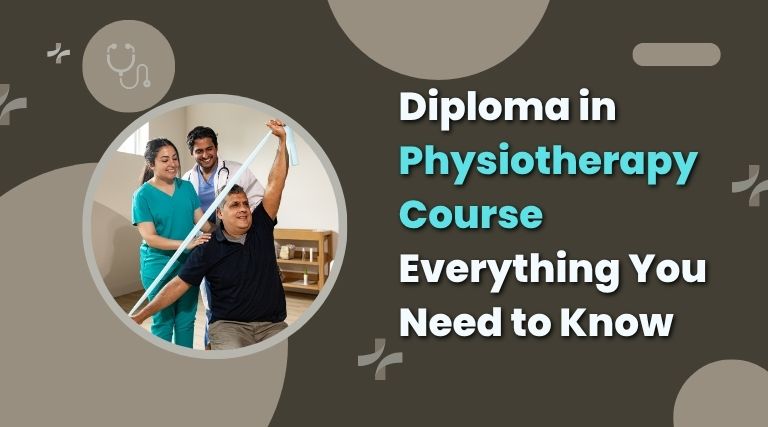
Physiotherapy is one of the most rewarding healthcare professions, focusing on improving mobility, function, and quality of life through physical rehabilitation. A Diploma in Physiotherapy (DPT) is an entry-level program designed for students who want to build a career in the field of physical therapy and rehabilitation. This diploma equips learners with the skills and knowledge to assist patients in recovering from injuries, surgeries, and various musculoskeletal or neurological conditions.
What is a Diploma in Physiotherapy?
The Diploma in Physiotherapy is a 2–3 year program (depending on the institution and country) that introduces students to the fundamentals of anatomy, physiology, rehabilitation techniques, and therapeutic exercises. Unlike a full-fledged bachelor’s degree, this diploma emphasizes practical training, making graduates ready to work under licensed physiotherapists or in allied healthcare roles.
Eligibility Criteria
To pursue a DPT, most colleges require:
- Completion of 10+2 (or equivalent) with science subjects (Physics, Chemistry, Biology).
- Minimum qualifying marks as per the institution’s admission policy.
Some institutes may also conduct entrance tests or interviews.
Core Subjects Covered
During the course, students study a blend of theory and practical subjects such as:
- Human Anatomy & Physiology
- Biomechanics
- Pathology
- Pharmacology Basics
- Electrotherapy
- Exercise Therapy
- Rehabilitation & Patient Care
Career Opportunities After DPT
Graduates of the Diploma in Physiotherapy can explore opportunities in various sectors, such as:
- Hospitals and Rehabilitation Centers
- Sports and Fitness Clinics
- Private Physiotherapy Practices
- Community Health Programs
- Elderly Care Homes
Job profiles include Physiotherapy Assistant, Rehabilitation Technician, Therapy Aide, or Exercise Therapist. With experience, one can also establish private practice or pursue higher education like a Bachelor’s or Master’s in Physiotherapy.
Skills Gained from the Program
- Strong understanding of human anatomy and body mechanics
- Hands-on training in therapeutic exercises and rehabilitation
- Patient communication and care techniques
- Application of electrotherapy and other modalities
Why Choose a Diploma in Physiotherapy?
- Shorter duration compared to degree courses
- Affordable and accessible for many students
- Provides direct job opportunities in healthcare settings
- Strong demand for rehabilitation services worldwide
FAQs on Diploma in Physiotherapy
Q1. What is the duration of the Diploma in Physiotherapy?
Most diploma programs last 2–3 years, depending on the institution.
Q2. Can I pursue a bachelor’s degree after completing DPT?
Yes, you can pursue a Bachelor’s in Physiotherapy (BPT) or other higher studies for career advancement.
Q3. What is the average salary after completing DPT?
Fresh graduates may earn ₹2.5 – ₹4.5 LPA in India (or equivalent internationally), with potential for growth with experience and specialization.
Q4. Is DPT recognized internationally?
Recognition depends on the country. Some nations may require additional certification or licensing to practice.
Q5. Can I open my own clinic after DPT?
In many regions, diploma holders work under the supervision of licensed physiotherapists. To independently open a clinic, a Bachelor’s or Master’s degree is usually required.