
Bachelor in Medical Laboratory Technology (BMLT) at Kalam Institute: Your Guide to a Career in Lab Diagnostics
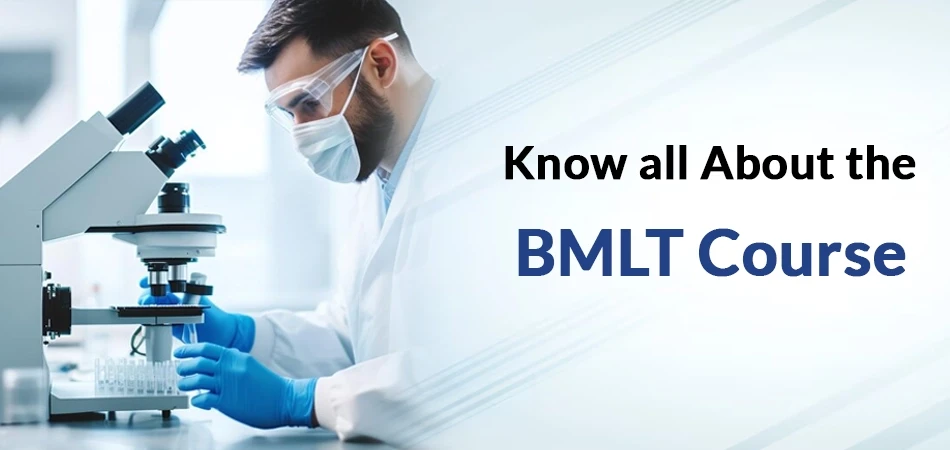
Medical Laboratory Technology plays a crucial role in modern healthcare. From diagnosing diseases to monitoring treatments, lab technologists are the backbone of accurate and timely clinical decisions. The Bachelor in Medical Laboratory Technology (BMLT) is an undergraduate program that trains students in the science and practical skills needed to work in clinical labs, research facilities, diagnostics, and more. At Kalam Institute, the BMLT course is designed to combine rigorous academic study with hands-on practical training to prepare students for a meaningful, in-demand career.
What is BMLT?
Bachelor in Medical Laboratory Technology is typically a 3- to 4-year degree program (depending on the university affiliation) focused on the acquisition of knowledge in laboratory sciences. Students learn how to collect, process, analyze, and interpret biological specimens (blood, tissue, bodily fluids) using a variety of technologies and lab techniques. The goal is to produce graduates who can work safely, accurately, ethically, and with responsibility in health diagnostics and allied fields.
Eligibility & Admission
While the exact specifications may vary by state or affiliating university, here are the common eligibility criteria for BMLT programs — likely similar at Kalam Institute:
- Completion of 10+2 (or equivalent) with science stream: Physics, Chemistry, Biology (or Biotechnology), sometimes Mathematics.
- Minimum aggregate marks as prescribed by the institute (often around 45-60%).
- Good proficiency in English may be required.
- Some institutes may conduct entrance tests or merit-based admission.
Course Structure & Curriculum
The BMLT degree curriculum typically includes a mix of theory, laboratory practicals, internships, and sometimes industrial visits. At Kalam Institute, you might expect the following subject areas:
- Clinical Biochemistry
- Microbiology (Medical Microbiology, Parasitology, Mycology)
- Hematology & Coagulation
- Immunology & Serology
- Histopathology and Cytology
- Blood Banking / Transfusion Technology
- Molecular Diagnostics & Biotechnology Techniques
- Laboratory Management, Safety & Ethics
- Instrumentation & Quality Control
There will also be practical sessions in well-equipped labs where students learn to use microscopes, centrifuges, spectroscopy equipment, PCR machines, etc. An internship or clinical posting with diagnostic labs/hospitals will be part of the degree to ensure real-world exposure.
Skills You Will Gain
By the end of the BMLT program at Kalam Institute, students should have developed:
- Strong foundational understanding of human biology, pathology, and disease mechanisms
- Technical competence in lab procedures: specimen collection, analysis, reporting
- Ability to operate, maintain, and troubleshoot laboratory equipment
- Understanding of quality assurance, safety protocols, and regulatory standards
- Attention to detail, precision, and procedural discipline
- Communication skills to collaborate with healthcare teams and report findings clearly
Career Opportunities
Graduates of BMLT have a variety of career paths:
- Working in hospital laboratories (public/private sector)
- Diagnostic & pathology labs, clinical research labs
- Blood banks, tissue banks, transplant labs
- Pharmaceutical industry / biotech companies
- Government health services, public health and disease control programs
- Academic and research institutions
- Quality assurance / regulatory bodies / lab supervision roles
Why Choose BMLT at Kalam Institute?
Here are some of the strengths you might highlight for Kalam Institute:
- Experienced faculty with both academic and clinical lab backgrounds
- Modern lab infrastructure with up-to-date diagnostic equipment
- Strong linkages or partnerships with hospitals, diagnostic centers for internships
- Emphasis on quality control, lab safety, ethical practice
- Opportunities for research projects, workshops, seminars to keep students updated with latest lab technologies
- Support for placements or assistance in finding jobs after graduation
FAQs: Bachelor in Medical Laboratory Technology (BMLT)
Q1. What is the duration of the BMLT course?
Typically 3 to 4 years, depending on the university affiliation, including academic coursework and practical training.
Q2. What are the fees for BMLT at Kalam Institute?
This will depend on the institute’s fee structure, facilities, and region. (You’ll need to check official prospectus or contact the administration for current fee details.)
Q3. What kind of internship or practical exposure do students get?
Students usually have lab practicals every semester, and a compulsory internship/clinical posting in a hospital or diagnostic lab during the later semesters. At Kalam Institute, good internships are expected to give exposure to specimen processing, diagnostic techniques, and lab management.
Q4. Is BMLT in high demand? What is the job outlook?
Yes. There is steady demand in hospitals, diagnostic laboratories, blood banks, research labs, and public health sectors. Advances in medical diagnostics and biotechnology are increasing the need for trained lab technologists.
Q5. Can I further specialize or pursue higher studies after BMLT?
Absolutely. Options include postgraduate degrees (e.g.M.Sc in Medical Laboratory Technology, Microbiology, Biotechnology), diploma or certificate programs (in molecular diagnostics, cytogenetics, etc.), or even research roles depending on your interest.
Q6. Are there regulatory / licensing requirements?
Depending on the state or country, there may be certification or licensing required to work in certain labs or for certain types of diagnostic work. Students should be aware of these requirements and ensure the institute is recognized/affiliated properly.