Bachelor of Physiotherapy (BPT) at Kalam Institute: An Overview
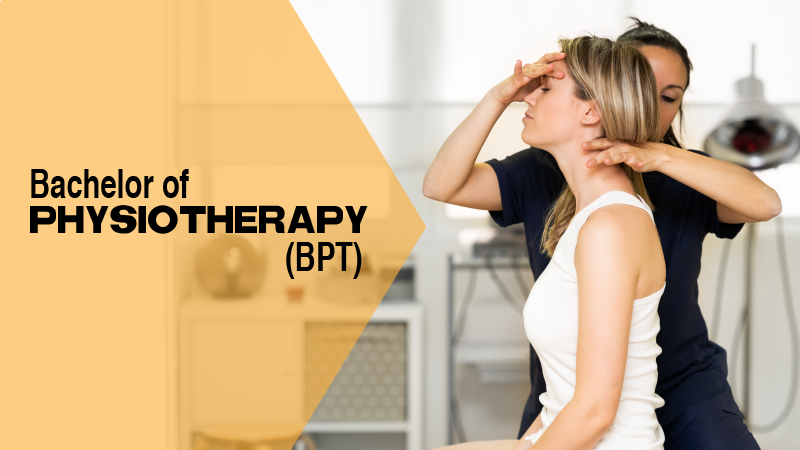
Physiotherapy is a dynamic healthcare profession dedicated to helping people restore, maintain, and maximize movement and functional ability. The Bachelor of Physiotherapy (BPT) is an undergraduate degree that prepares students for a fulfilling career in rehabilitation, wellness, and health promotion. At Kalam Institute, the BPT program aims to combine strong theoretical foundations with hands-on clinical experience to produce skilled and compassionate physiotherapists.
What is BPT?
The Bachelor of Physiotherapy (BPT) is typically a 4½-year program, including a six-month internship, that trains students in assessing, diagnosing, treating, and preventing physical impairments, disabilities, and pain resulting from disease, injury or other causes. Students learn how to employ therapeutic exercises, manual therapy, electrotherapy, and other modalities to help patients improve mobility and quality of life.
Eligibility & Admission
While the precise criteria may vary by institute, here are the common eligibility requirements for BPT programs in India — Kalam Institute would likely follow a similar pattern:
- Completion of 10+2 (or equivalent) with science subjects: Physics, Chemistry, Biology.
- Minimum aggregate marks (often around 40-50%) in PCB (Physics, Chemistry, Biology).
- Some institutes require English as a subject and a pass in it.
- Relaxation in minimum marks may be given for SC/ST/OBC categories, depending on state rules.
- Entrance test / merit-based admission as per institute or university norms.
Course Structure & Curriculum
The BPT program covers a mix of classroom learning, laboratory sessions, and clinical rotations. Key subjects often include:
- Anatomy & Physiology
- Biochemistry
- Electrotherapy
- Exercise Therapy
- Biomechanics
- Pathology & Microbiology
- Orthopedics, Neurology, Pediatrics, Sports Physiotherapy, Cardiorespiratory physiotherapy, etc.
- Six-month internship / clinical exposure for hands-on training in hospitals or clinics.
At Kalam Institute, the curriculum would ideally include modern labs, simulation clinics, guest lectures, and tie-ups with hospitals for real patient exposure.
Skills Gained
By the end of the BPT program, students should have developed:
- In-depth understanding of human anatomy, physiology, and pathophysiology
- Ability to design and apply therapeutic interventions (manual therapy, exercises, electro modalities)
- Clinical decision-making skills for assessment, diagnosis, treatment planning
- Communication skills to interact with patients, families, and other health professionals
- Professionalism, ethical understanding, and understanding of community health
Career Opportunities After BPT
Graduating with a BPT opens up various pathways:
- Work in hospitals (government or private), rehabilitation centres, orthopedic/neurology surgery rehab units.
- Sports clinics, fitness & wellness centres.
- Community health settings, NGOs.
- Private clinics and home-visit physiotherapy services.
- Opportunities abroad, with additional licensing or certification.
- Further studies (Master of Physiotherapy, specializations) or related fields.
Why Choose BPT at Kalam Institute?
Some of the advantages you might expect (or highlight) for Kalam Institute:
- Balance of theory + practical + clinical training
- Experienced faculty and mentorship
- Modern infrastructure: labs, equipment, rehab clinic, simulation tools
- Internship and hospital affiliations for real-world exposure
- Focus on ethical care, holistic rehabilitation, patient-centered treatment
- Opportunities for research, workshops, community outreach
FAQs
Q1. How long is the BPT course?
Typical duration is 4½ years, which includes 4 years of classes/clinical training plus a 6-month compulsory internship.
Q2. What marks do I need in 10+2 to get into BPT?
Usually around 40-50% aggregate in Physics, Chemistry, Biology. English might be required too. The exact cutoff depends on the institute and state.
Q3. What practical experiences will I get during the course?
You’ll have laboratory work, clinical rotations in hospitals and clinics, supervised hands-on patient treatment, possibly community health camps. The internship ensures real patient-facing practice.
Q4. Can I specialize after BPT?
Yes. After BPT, you can pursue postgraduate specializations (MPT) in areas like Neurology, Orthopedics, Cardiorespiratory, Pediatrics, Geriatrics, Sports Physiotherapy, etc.
Q5. What is the scope / employability of BPT graduates?
Good. There’s increasing demand for physiotherapists due to aging populations, sports injuries, rehabilitation for chronic conditions, and more awareness of physical therapy in wellness and preventive health. Salary and opportunities grow with experience, specialization, and location.
Q6. Can I open my own physiotherapy clinic after BPT?
In many places, yes — but requirements differ. You may need licensing as per the state/province, adherence to regulations, some years of experience, and adequate equipment. Many graduates start under supervision and gradually set up independent clinics.